

November has arrived on Lake Como cooler, quieter, and distinctly more autumnal. The first days of the month have brought misty mornings and afternoon temperatures settling into the low teens. The mountains have deepened into shades of rust, bronze, and fading greens. It is the season when the lake begins to turn inward, inviting slower walks, warmer kitchens, and meals that linger a little longer.
This month, we look beyond the polished villas and gardens to discover some of the layers of history written into the landscape. Those towers that still rise above villages and those castles that occupy strategic hillsides continue to carry the stories of battles, emperors, and empires.
Back in the kitchen, we celebrate Pere, fragrant autumn pears whose delicate sweetness works beautifully in both sweet and savory dishes. Our Recipe of the Month is Pere al Vino Rosso, pears slowly poached in red wine, citrus, and warming spices until deeply colored, tender, and glossy, a simple but elegant dessert made for November evenings.

Fortresses, Towers & Stone Stories
Lake Como’s beauty can make it easy to forget how strategically important a location it once was. For centuries, control of the lake meant control of routes between the Alps and the Lombard plain, and the remains of castles and defensive towers still occupy some of the best viewpoints around its shores. November’s quieter days are a wonderful time to discover them. Here are three of our favorite places to combine a little history with a beautiful autumn walk.
Castello di Vezio, Varenna
When you reach Castello di Vezio, high above Varenna, the view that greets you immediately explains its strategic importance. Cross the drawbridge, climb the stone tower, explore the gardens and underground passages, and enjoy one of the most dramatic panoramas of the central lake. November gives Vezio a particularly atmospheric character, with quieter paths, autumn colors, and the castle’s famous white ghost figures scattered through the grounds. The castle is open daily in November from 10:00 to 17:00, weather permitting.
Torre del Barbarossa, Ossuccio
Just above Ossuccio, a massive square tower rises through the vegetation of Monte Gravona. This is the Torre del Soccorso, commonly called the Torre del Barbarossa. Built between the 12th and 13th centuries, its story is inseparable from one of the most dramatic episodes in Lake Como’s medieval history. During the Ten Years’ War between Como and Milan, Isola Comacina allied itself with Milan. Decades later, with the support of Emperor Frederick Barbarossa, Como took its revenge and in 1169 attacked and destroyed the island. An imperial edict followed in 1172, forbidding its reconstruction.
The tower makes for a lovely walking destination. From the Lake Como Greenway near Sala Comacina, leave the lakeside route and follow the path upward through the woods toward the tower and the Santuario della Soccorso. Alternatively, approach from the Sanctuary and continue toward Sala Comacina.
Around the tower, the landscape opens beautifully across Isola Comacina, the Zoca de l’Oli, the lake, and the surrounding mountains. The interior of the FAI property opens only on selected occasions, but the walk itself and the remarkable setting can be enjoyed independently.
Castel Baradello, Como
Rising above Como within the woods of the Spina Verde, Castel Baradello brings the story directly back to Emperor Frederick Barbarossa. The fortress was constructed on the remains of earlier defensive structures, occupying a position that allowed control over Como and the routes stretching south toward Milan.
The castle is reached only on foot, with a relatively easy 15 to 20 minute climb from Piazza Camerlata. Regular opening of the tower runs from March through October, but the surrounding Spina Verde trails remain one of Como’s loveliest autumn walks. Even without entering the tower, the climb allows you to experience why this hill mattered so much. From the surrounding paths and viewpoints, Como spreads below and the relationship between the city, lake, and defensive landscape becomes immediately clear.
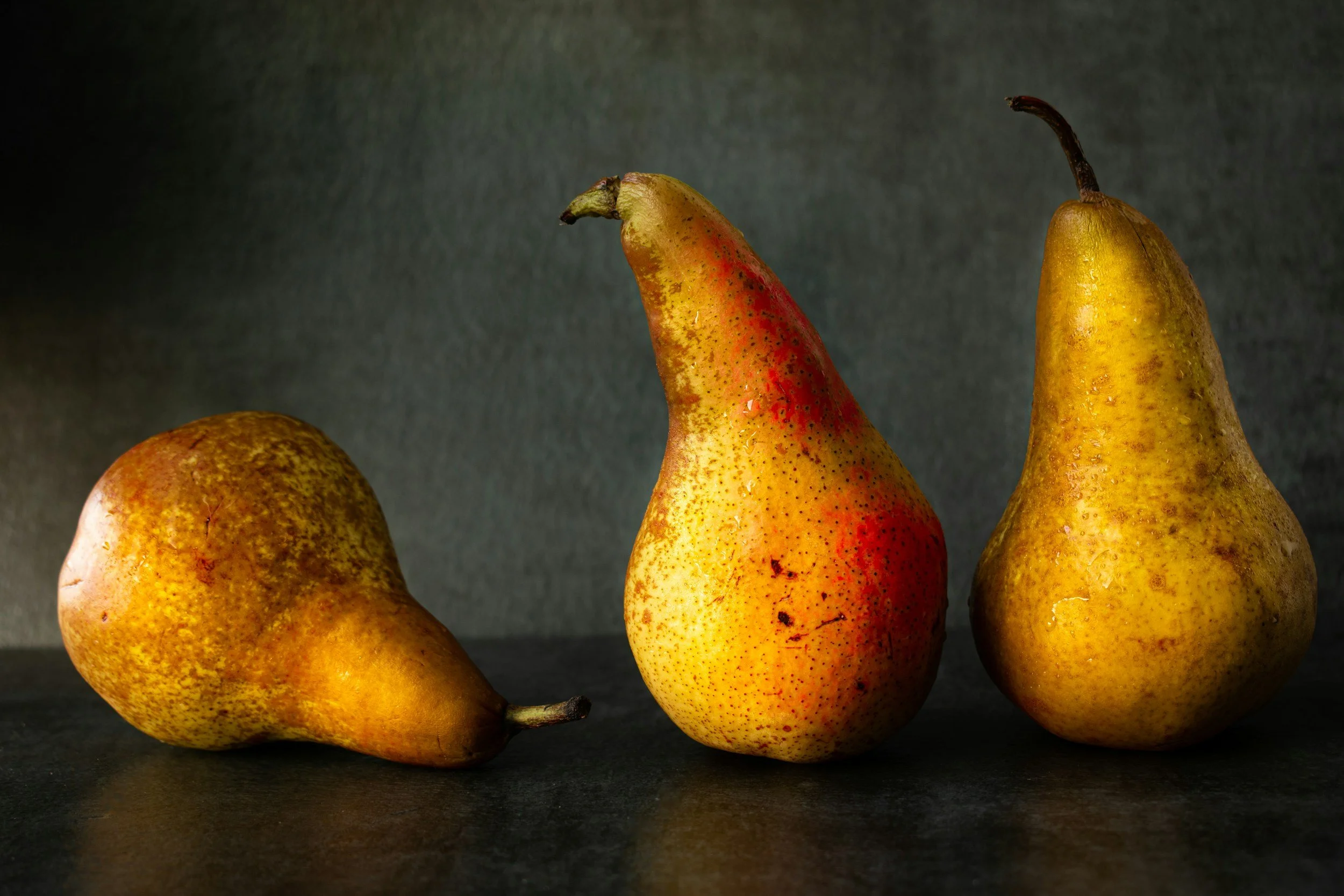
Ingredient of the Month: Pere (Pears)
November belongs beautifully to pears. Unlike the bright fruits of summer, a good autumn pear often asks for patience. Many varieties continue to ripen after they are picked, slowly changing from firm and crisp to fragrant, yielding, and almost buttery.
Italy has a particularly strong pear tradition. Abate Fétel becomes available from late September and continues through spring, Kaiser pears are harvested around the end of August and keep beautifully into winter, while Conference pears reach their best maturity during late autumn.
Their versatility is what makes them so useful in the kitchen. Pears are delicate enough for cakes and poached desserts, yet their subtle sweetness also welcomes Gorgonzola, Taleggio, walnuts, and chocolate.
Choose your pear according to how you intend to use it. For poaching and baking, select pears that are fragrant but still firm. For cheese boards and salads, allow them to soften until the flesh yields slightly near the stem.
HERE ARE FOUR OF OUR FAVORITE ITALIAN WAYS TO ENJOY PEARS:
Pere e Gorgonzola Dolce con Noci: Ripe pear, creamy Gorgonzola Dolce, and toasted walnuts make one of northern Italy’s simplest and most satisfying combinations. Serve them together at the end of a meal with dark bread and perhaps just a thread of chestnut honey.
Risotto alle Pere e Taleggio: Pear brings brightness and gentle sweetness to a creamy risotto, while Taleggio provides the savory depth and unmistakable character of Lombardy. Add the pear toward the end of cooking so some of the pieces remain distinct rather than disappearing completely into the rice.
Torta Pere e Cioccolato di Bormio: Pear and dark chocolate is a classic combination in Italy, but in Bormio the cake has become something of an institution. Historic local bakeries are famous for their simple, generous cakes, and the pear-and-chocolate version is one of the varieties visitors regularly queue to take home. Panificio Eredi Romani, known locally as Le Bonette, is particularly celebrated for its version, as is Bormio’s Pasticceria Pozzi. We were there in the summer to get a cake and we waited over an hour.
Mostarda di Pere: Pears preserved with sugar and the distinctive heat of mustard create a wonderful northern Italian accompaniment to mature cheeses, boiled meats, and roast pork. Use it sparingly, where its sweetness and heat can provide contrast rather than dominate the plate.
RECIPE OF THE MONTH: PERE AL VINO ROSSO (PEARS IN RED WINE)
Pere al Vino Rosso is the kind of dessert that reminds us how good ingredients sometimes need very little else. Firm pears, a bottle of red wine, sugar, citrus peel, and spices slowly become something that looks far more elaborate than the work involved.
Fruit cooked in wine appears in different forms throughout northern Italian cooking, particularly as the weather cools and fresh fruit gives way to the more comforting flavors of autumn and winter. As the pears poach, their pale flesh gradually absorbs the wine, becoming deep ruby on the outside and fragrant with cinnamon, orange, vanilla, and clove.
The choice of pear matters. Kaiser pears are particularly good for poaching because their dense flesh holds its shape beautifully, while Abate Fétel also works well if selected before it becomes fully soft. Both varieties remain available well into the autumn and winter months.
The wine matters too. Choose a dry red you would happily drink, without excessive tannin or oak. As the wine reduces, every flavor becomes more concentrated, so beginning with something balanced makes an enormous difference.
Ingredients:
6 medium firm pears, preferably Kaiser or slightly underripe Abate Fétel
750 ml (1 standard bottle / about 3 cups) dry red wine
150 g (¾ cup) sugar
1 cinnamon stick
3 whole cloves
1 star anise
2 wide strips orange peel, removed with as little white pith as possible
1 small strip lemon peel
1 tsp vanilla extract, or ½ vanilla pod, split lengthwise
1 small pinch fine sea salt
Instructions:
Prepare the pears: Peel pears carefully, leaving stalks attached. Slice a very thin piece from the base of each pear so it can stand upright without wobbling.
Build the poaching liquid: Choose a saucepan or small casserole in which pears can fit quite snugly. Add red wine, sugar, cinnamon, cloves, star anise, orange peel, lemon peel, vanilla, and a small pinch of salt. Bring slowly to a gentle simmer, stirring only until sugar has completely dissolved.
Add the pears: Lower pears carefully into the wine. Liquid should ideally reach at least two-thirds of the way up the fruit. If it does not, choose a slightly smaller pan rather than adding large amounts of water.
Poach gently: Reduce heat so that wine barely simmers. Cover and cook for approximately 25 to 35 minutes, turning pears carefully every 7 to 10 minutes so they absorb the color evenly.
Check the pears: Insert point of a small knife into widest part of one pear. It should slide in easily but still meet the slightest resistance. The fruit should be tender without beginning to collapse.
Let them rest: Remove pan from the heat and allow pears to cool in the wine for at least 30 minutes. For an even deeper color and flavor, refrigerate them in their poaching liquid overnight.
Reduce the wine: Carefully remove the pears from the liquid and set them aside. Strain the wine into a clean saucepan, discarding the spices and citrus peel. Bring the liquid to a lively simmer and reduce for approximately 10 to 15 minutes.
Watch the consistency: Sauce should become glossy and lightly syrupy, coating the back of a spoon while remaining pourable. Remember that it will continue to thicken as it cools.
Serve: Stand each pear upright in a shallow bowl or dessert plate and spoon the red wine reduction generously over the fruit. Serve at room temperature or slightly warm.
For something richer, add a spoonful of softly whipped mascarpone or mascarpone cream alongside, but keep it restrained. The wine-dark pear should remain the center of the plate.
Why We Love it: Pere al Vino Rosso feels exactly right for November, filling the kitchen with the scent of orange, cinnamon, vanilla, and spice. I remember making this as a young home cook over 30 years ago, using pears picked from our own garden. We had so many pear trees, and it was always a joy to make. I hope this recipe brings you that same joy. The simplicity of the dish is part of its wonder. The pears can also be jarred and preserved so easily, allowing you to enjoy them for months to come or share them as beautiful homemade gifts as we move into the festive season.
Wine Pairing: I would not have this with a wine, just enjoy as is after all it has been cooked in a wonderful wine of your choosing.
As November draws the light earlier across the lake, we hope you find time to follow one of the old paths climbing above the villages, stand beneath a medieval tower, or look across Isola Comacina and imagine the battles and alliances that once shaped these peaceful shores. Back in the kitchen, may there be ripe pears on the table, something fragrant simmering slowly on the stove, gentle jazz playing in the background and enough time to enjoy the quieter rhythm the season brings.
See you on the lake,
The Lake Como Kitchen Experience Team