

February on the lake
February settles over Lake Como with a profound, silvery stillness. But there is a new kind of energy settling over the Lario. As Northern Italy prepares for the Milano Cortina 2026 Winter Olympics, Lake Como finds itself at the heart of the action, nestled perfectly between the metropolitan pulse of Milan and the rugged arenas of the Valtellina. We are especially proud that the Olympic Flame will pass through our lakeside towns, reflecting on the shimmering waters of Menaggio and Como. On February 1st, the torch travels through Bellagio, Varenna, and Menaggio before reaching Lecco, our "eastern gateway," bringing a hum of the Olympic spirit to our very doorsteps.
This month, we explore the lake’s role as the serene gateway to the Games, and Grano Saraceno, the dark, earthy buckwheat that is the soul of Alpine cooking. Finally we also share our definitive recipe for Pizzoccheri della Valtellina, a dish any northern nonna would defend as the pinnacle of winter comfort.

LOCAL SKIING: YOUR GATEWAY TO THE GAMES
While the world prepares to descend upon the high-altitude arenas of the North, Lake Como serves as the ideal, serene base for those who want to witness the historic 2026 Olympic events without being caught in the crowded village buzz. From our shores, you can trade the frantic energy of the Olympic clusters for a quiet morning espresso overlooking the mist-covered lake, before heading into the mountains to catch the "Olympic vibe" already taking root.
Whether you are a serious skier looking to test your mettle on legendary pistes or a family seeking the simple joy of a day in the snow, the lake’s surrounding peaks offer a gateway to the high-altitude thrills of the season.
Where to go to enjoy some local skiing or see the games:
Bormio (The Stelvio Piste) – Just two hours away, this legendary slope will host the men’s Alpine skiing and the Olympic debut of Ski Mountaineering. It is a place of stunning beauty, vertical drops and world-class technical skill.
Livigno – Known as "Italy's Little Tibet," this town will host the Snowboard and Freestyle Skiing for 2026. Its high altitude and lively après-ski scene make it an essential winter destination for anyone visiting at this time.
Piani di Bobbio – The closest resort to the lake (just an hour from Lecco), offering a family-friendly escape with crisp mountain air and panoramic lake views.
Madesimo – Tucked away in the Valchiavenna, this resort offers pristine slopes and a quiet, local feel, perfect for a day of pure Alpine immersion. Situated about 60 km from Varenna. With over 50 km of slopes, the resort features lively après-ski options, with cozy mountain huts and restaurants offering local specialties to refuel after an active day on the snow.
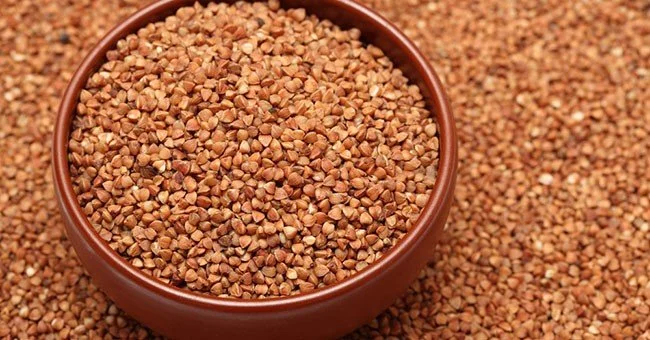
Ingredient of the Month: GRANO SARACENO (BUCKWHEAT)
Buckwheat is the dark, earthy heart of Alpine cooking. Despite its name, it is a hardy seed that has flourished in the thin soil of our northern valleys for centuries. Known locally as Grano Saraceno, its arrival in the Valtellina during the 1600s transformed the mountain diet, providing essential, protein-rich sustenance for communities navigating the harshest Alpine winters. In the kitchen, buckwheat brings a distinctive, rustic grit and a deeply toasted aroma that speaks of high-altitude harvests and wood-fired stoves. Unlike refined flours, it carries a bold, nutty character that demands equally strong partners, think of the sharp bite of aged alpine cheeses or the velvety richness of sage-infused butter. Working with this "black grain" requires patience; its lack of gluten makes for a delicate dough, yet it provides a nutritional resilience that has sustained generations of northern families.
As we look toward the snow-capped peaks this February, there is no ingredient that better represents the spirit of the mountains. I promised we would share our favorite Pizzoccheri alla Valtellinese recipe this year, and there is no better time than these cold February nights to master this iconic dish, where the humble buckwheat is elevated into a masterpiece of northern Italian comfort.
Here are four ways to enjoy Grano Saraceno:
While we wait for the water to boil for our Pizzoccheri, here are four other ways this versatile seed shines in the winter kitchen:
Polenta Taragna: A robust mountain staple that blends golden cornmeal with dark buckwheat, slow-stirred until thick and enriched with copious amounts of local butter and Casera cheese.
Sciatt: These irresistible "little ghosts" are crispy, deep-fried buckwheat fritters with a molten heart of stringy cheese, traditionally served on a bed of thinly sliced chicory.
Torta di Grano Saraceno: A rustic, gluten-free cake typical of the Alto Adige and northern Lombardy, made with ground buckwheat and almonds, then layered with tart lingonberry or redcurrant jam.
Chisciöi: A savory buckwheat pancake from the Tirano area, cooked in a pan until crisp and filled with melted local cheese, perfect as a warming winter aperitivo.
RECIPE OF THE MONTH: PIZZOCCHERI DELLA VALTELLINA
This is the "soul of the Valtellina." More than just a pasta dish, Pizzoccheri is a masterclass in mountain cooking, where the rustic, nutty depth of buckwheat is softened by an indulgent, golden pool of sage-infused butter. Our recipe follows the traditional standards to ensure every bite delivers the perfect, rich result that has sustained Alpine families for generations.
Ingredients (serves 4-6):
400g Buckwheat flour mixed with 100g white flour
200g Valtellina Casera DOP (or Bitto), thinly sliced
150g Grated Parmigiano Reggiano
200g High-quality mountain butter
200g Savoy Cabbage (Verza), shredded
250g Potatoes, peeled and cubed
2 Cloves garlic and bunch fresh sage leaves
Instructions:
The Pizzoccheri : Mix the flours with warm water, kneading for about 5 minutes until firm, let it rest wrapped up for 10-15 mins. Roll to 3mm thick and cut into short ribbons (about 7cm long) dust with a little flour and set aside.
The Boil: In a large pot of salted boiling water, add the potatoes and cabbage boil for 5 minutes. Add the pizzoccheri to the same pot and cook together for another 10 minutes.
The Sizzle: While the pasta cooks, melt the butter in a small pan with the garlic and sage until it is foaming, fragrant, and slightly golden.
The Layering: Warm a large serving dish. Drain the pasta and vegetables with a slotted spoon. Create layers of pasta and vegetables alternating with generous handfuls of the sliced cheeses and Parmigiano.
The Finish: Pour the sizzling sage-butter over the top. Do not over stir; let the residual heat melt the cheese into a gooey, fragrant embrace.
Why We Love It: Pizzoccheri is winter in a bowl. We love it because it’s unapologetically rustic—a dish where the humble potato and cabbage are elevated by the complex, toasted notes of the buckwheat. It captures the very essence of the rifugio experience: simple, sustaining, and profoundly warming.
Wine Pairing: For a dish this robust, only a Valtellina Superiore Inferno will do. Named for the "hellishly" hot terraces where the Nebbiolo grapes grow, this wine offers a structured acidity and notes of dried rose that cut through the richness of the butter and cheese perfectly.
As the February sun sets early behind the Grigna, we hope you find your way to a quiet trail or a warm kitchen. Whether you are following the Olympic dream or layering cheese into a dish of Pizzoccheri, may this month bring you the rugged, simple beauty of the Italian Alps.
See you on the lake,
The Lake Como Kitchen Experience Team